Is it Cheaper to Downsize? 5 Good Reasons NOT to Downsize in 2026

As the cost-of-living crisis continues to impact households across the UK in 2026, many older homeowners feel an increasing pressure to downsize. Yet, with a chronic shortage of suitable smaller properties and the record-high costs of moving, the “logic” of downsizing is being called into question.
For many, the smarter, more sustainable move is to stay put and leverage your home’s existing space. Here are five compelling reasons why you should not feel pressured to downsize, and how you can make your home work harder for you.
1. You Have Earned the Luxury of Space
Building a home is a lifetime’s achievement. In today’s market, a typical buyer in London now takes roughly 11 years just to save for a deposit. You likely spent decades paying off a mortgage, navigating renovations, and upgrading as your family grew.
In 2026, the definition of “too much space” is purely subjective. Whether you need extra rooms for guests, a dedicated hobby area, or simply the mental peace that comes with a familiar layout, you deserve to enjoy the fruits of your labour. Your home isn’t just “square footage”; it’s your private sanctuary and the option to downsize may not be the right one for you for so many reasons.
2. Your Home is a Living Archive of Memories
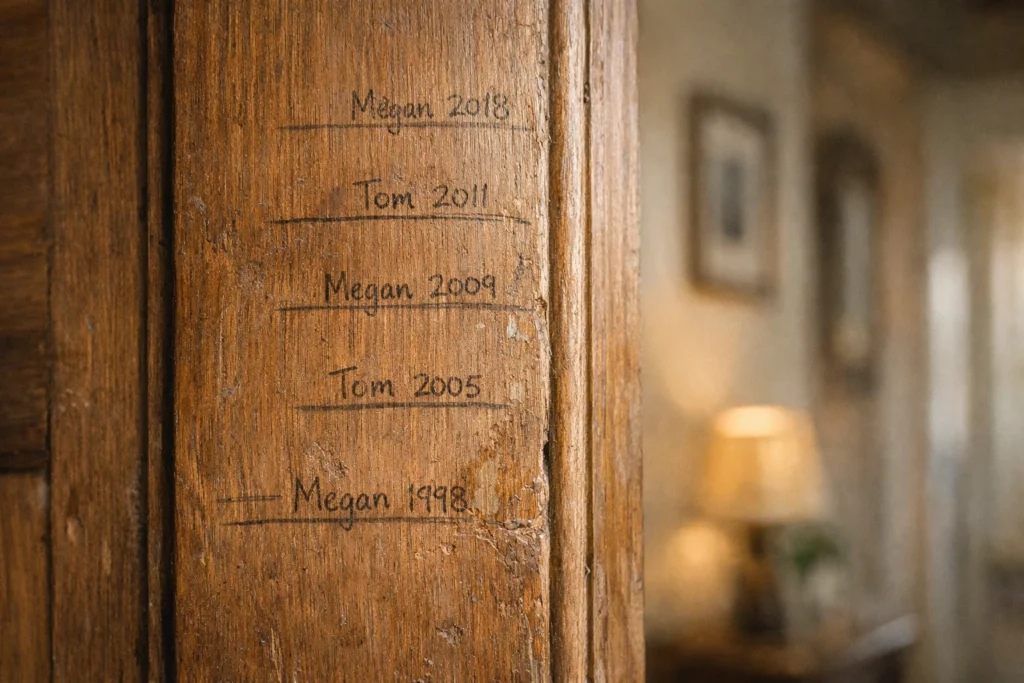
Research in 2025 highlighted that “ageing in place” provides significant psychological benefits, particularly for those who have lost a partner. The physical environment, the growth marks on a doorframe or the garden you’ve tended for 30 years, acts as a visceral connection to your life story.
Wrenching yourself away from these anchors before you are emotionally ready can be traumatic. Staying in your family home allows you to heal and age with dignity in a space that knows you as well as you know it. Often, the expectation to downsize can be the straw that breaks the camel’s back.
3. The Financial “Windfall” of Moving is Often a Myth – The Downsize Delusion
While many hope to release equity by moving to a smaller house, the 2025 Cost of Moving Report revealed that the average cost of buying and selling a home in England has surged to a record £17,831 (climbing to over £32,000 in London).
- Stamp Duty & Fees: Since the lower thresholds were reintroduced in 2025, moving has become significantly more expensive.
- The Better Alternative: Rather than losing a chunk of your wealth to transactional costs, your home can become a source of income. With average room rents in the UK reaching £749 per month (and nearly £1,000 in London), taking in a lodger can provide a steady, inflation-proof revenue stream while your property continues to appreciate.
The option to downsize can often be a very costly affair that you are unlikely to be able to recoup.
4. Modern Solutions: Homeshare with Practical Help – a Downsize Alternative
If your concern is the maintenance of a large property or a feeling of isolation, you no longer have to choose between “struggling alone” or “moving out.”
New smart shared living schemes like hapipod.com offer a revolutionary middle ground.
- Flexible, In-House Help: Instead of traditional room rental, you can host a lodger who provides up to 8 hours of help a week, such as gardening, IT support, light housework, or dog walking, as well as an income of up to £650/month inclusive for your spare room.
- Company & Connection: This isn’t just about chores; it’s about companionship. It can pop the isolation bubble that currently keeps many UK seniors feeling segregated. Having compatible company and social connection can help you connect to your younger self and the changing perspectives of a fast evolving world.
- Peace of Mind: Sometimes just having an extra presence in the house overnight can help reduce anxiety over potential falls or break-ins.
5. You are Part of the Solution to the Housing Crisis
It is a common misconception that older homeowners “clog up” the housing market.
In reality, moving to a smaller bungalow doesn’t help the 3.4 million young adults (aged 20–34) who are priced out of both buying and renting.
By staying in your home and utilising a platform like hapipod.com, you are directly tackling the housing crisis. You provide affordable, safe accommodation for a young professional or student while mentoring the next generation. You keep your home, and they get a head start, a true “win-win” for a divided UK housing market.

Frequently Asked Questions (FAQs)
Is the option to downsize worth it financially in 2026? Often, no. Once you account for estate agent fees, removals, and the 2025/26 Stamp Duty rates, the “profit” from downsizing is significantly eroded. Remaining in your home and letting a room is frequently more lucrative in the mid to long term.
How does a hapipod homeshare differ from having a standard lodger? A traditional lodger simply pays rent and comes and goes without interaction. A homeshare (via platforms like ours at hapipod.com) focuses on a commitment to connect and lend a hand: hosts offer affordable rooms, and lodgers set aside a few hours each week to provide practical help and good company.
Will I lose my 25% Council Tax discount if I have a lodger? Not if your lodger is a full-time student. Otherwise, yes, probably, if you currently receive a Single Person Supplement. In any case, the rental income usually far outweighs the loss of this discount.
See also – hapi Chemistry – Janie & Odin’s Smart Homeshare
The “hapipod” Benefits

If you don’t need the maximum cash but want to reduce your “Home Maintenance Stress,” or simply add life to an empty home, a hapipod homeshare can be more appealing.
Understanding the full range of financial and well-being benefits:
- Gain help: gain between 3-8 hours practical help per week
- Reduce your burdens: share out some of the more tiring tasks
- Free your time: time is precious – hand on some of the boring stuff
- Save on contractors: With someone lending a hand you may need to rely less on external contractors
- Share interests: compatible lodgers can be fun and help hone your skills in music, languages, fitness etc
- Cash Income: Depending on your room size and location gain up to £650/month inclusive (£7500/yr completely tax-free).
See also – From Crisis to Community: How hapipod Tackles London’s Housing Crisis
Actionable Next Steps That Don’t Require a Downsize
So instead of kicking the idea down the road and waiting for a better moment, it could be the perfect time to take control of your destiny, and who knows, maybe make some real positive life changes for you and someone else.
- Room Refresh: Spend a small portion of your “saved moving costs” (e.g., £1,000) to modernise the spare room with fast Wi-Fi and fresh decor to attract a high-quality “hapipodder.”
- Profile Matching: Register on hapipod.com. In 2026, compatibility (shared interests like gardening or pets) is the key to a successful long-term arrangement.
Share this content:














Post Comment